Bring Your Projects to Life with the Spring Strings Font
There’s a moment in every design project where you need a typeface that does more than just present information—you need one that performs. This is precisely the role of Spring Strings. As a premium font, it steps away from the predictable structures of a standard sans serif font or the formality of a serif font. Instead, it delivers a burst of kinetic energy, transforming standard text into a visual event. If you are looking to inject personality into your brand identity or make a social media graphic stop the scroll, this typeface offers a distinct solution.
Understanding the Aesthetic and Personality
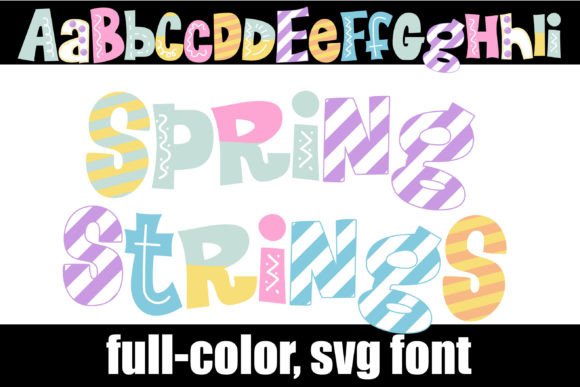
At its core, Spring Strings is a display font that leans heavily into modern typography trends while maintaining a timeless whimsy. It isn’t just a collection of letters; it is a curated set of design assets. The shapes are uniquely designed, characterized by playful curves and a rhythm that feels almost musical. The visual weight is bold, ensuring that when you use this typeface for logo design or headers, it commands the space immediately.
The color palette concept—implied by the design—is a blend of vibrant hues that suggest creativity and optimism. While you control the actual color in your software, the structure of the letterforms mimics the bounce and flow of colorful ribbons or elastic strings. This makes it an exceptional choice for creative font applications where you need to convey joy, movement, or innovation. It bridges the gap between a casual handwritten font and a structured script font, offering legibility without sacrificing flair.
Strategic Applications: Where to Use Spring Strings
Knowing where to deploy a typeface like this is just as important as the design itself. Because Spring Strings has such a strong voice, it works best in scenarios where you want to capture attention quickly.
Branding and Packaging Design
For entrepreneurs and small business owners, packaging design is often the first physical touchpoint with a customer. Imagine a coffee bag, a candle label, or a cosmetics box using Spring Strings for the product name. It immediately suggests that the product inside is artisanal, fun, and high-quality. In logo design, particularly for lifestyle brands, bakeries, or creative agencies, this font can act as the cornerstone of a memorable visual identity. It helps build brand recognition because the typography is impossible to confuse with standard corporate fonts.
Digital and Editorial Design
In the digital realm, attention spans are short. Using Spring Strings for website hero sections or blog post titles can significantly improve audience engagement. It adds a layer of professionalism to web design by showing that you care about the aesthetic details. For editorial design, such as magazine covers or internal chapter headers, it provides a necessary contrast to body text, helping to establish a clear visual hierarchy. It tells the reader, "Look here first; this is the important part."
The Technical Edge: PUA Encoding and Usability
A major hurdle with many decorative fonts is accessibility. You might download a beautiful font only to find that half the special characters are locked away. Spring Strings solves this problem by being fully PUA encoded (Private Use Areas). In practical terms, this means every single glyph, swash, and stylistic alternate is accessible to you, regardless of the software you are using.
You don’t need to be an expert in Adobe Illustrator’s OpenType features to use the extras. You can access the full character map via standard character viewers on Windows or Mac. This accessibility is crucial for content creators who might be working in simpler platforms like Canva or basic word processors for mockups. It ensures that the creative font assets are actually usable, not just decorative screenshots.
Practical Guidance for Designers and Creators
Integrating a bold typeface into a project requires a bit of strategy to ensure it enhances rather than overwhelms. Here is how to get the most out of Spring Strings:
- Font Pairing is Key: Because Spring Strings has a lot of character, it pairs best with neutral typefaces. Use a clean sans serif font or a simple serif font for your body text. This contrast allows the display font to shine without causing visual fatigue for the reader.
- Readability Considerations: While this font is legible at medium to large sizes, it is designed for impact, not long-form reading. Avoid using it for paragraphs of text in web design or print. Stick to headlines, sub-headers, and pull quotes.
- Testing for Fit: Before committing to a full rebrand, test the font in context. Place it on a mockup of your intended medium—be it a t-shirt, a business card, or an Instagram post. Observe how the personality of the font aligns with your brand voice.
- Licensing: Ensure you are using the font under the correct commercial license if you are selling products or using it for client work. Respecting licensing ensures you can continue to use these design assets legally and ethically.
Elevating Your Creative Output
Ultimately, Spring Strings is more than just a display font; it is a tool for expression. In a marketplace saturated with generic typography, having a typeface that pops with character can be the differentiator your project needs. Whether you are designing wedding invitations, creating merchandise, or building a new startup's brand identity, this font offers the versatility and visual punch required to leave a lasting impression. It represents a shift toward more expressive modern typography, proving that functional design can also be incredibly fun.