Carrot Easter Day: A Retro Vibe for Modern Design
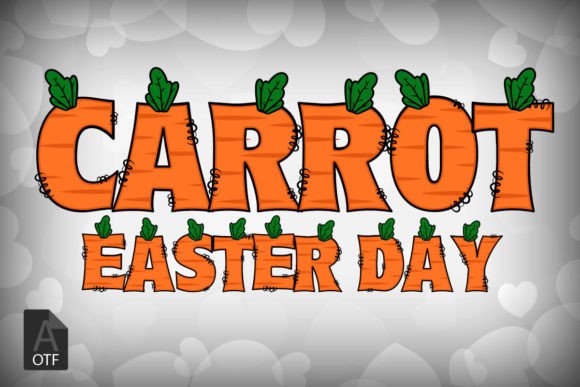
There’s a particular energy to designs that refuse to take themselves too seriously. They’re confident, inviting, and immediately memorable. This is the space where Carrot Easter Day lives. It’s not just a display font; it’s a burst of nostalgic charm packaged in a bold, modern typeface. At its core, this premium font is a vibrant display face that fuses a retro aesthetic with a contemporary, punchy color palette—though, of course, the color is yours to apply. Its letterforms are built with a certain joyful weight, featuring rounded terminals and a slightly condensed structure that feels both friendly and assertive.
The personality of Carrot Easter Day is unmistakable. It carries a sense of handcrafted warmth, reminiscent of mid-century advertising and vintage packaging design, but with a cleanliness that ensures it works seamlessly in digital environments. The strokes have a confident, even rhythm, avoiding extreme thin-thick contrasts in favor of a sturdy, legible presence. This isn't a delicate script font or a minimalist sans serif font; it's a statement piece. Its appeal lies in its ability to inject immediate fun and personality into a project without sacrificing clarity. For a designer, it’s the kind of creative font that solves the problem of making something feel both professional and approachable.
Where This Typeface Truly Shines
Understanding where Carrot Easter Day excels is key to using it effectively. Its bold, graphic nature makes it a natural fit for projects where grabbing attention is the primary goal. Think of the headline of a festival poster, the masthead of a playful blog, or the primary text on a social media graphic announcing a sale. In web design, it can be a powerful tool for hero sections or call-to-action buttons, where its high readability at large sizes draws the eye. For packaging design, particularly for food products, children's items, or any brand wanting to convey a sense of whimsy and quality, this font can become the cornerstone of the brand identity.
Beyond the obvious seasonal applications, its utility is broad. Entrepreneurs and small business owners can leverage it for logo design to establish a brand that feels energetic and customer-centric. Marketers will find it invaluable for creating scroll-stopping social media graphics and email headers. Publishers and content creators can use it for chapter titles, pull quotes, or magazine covers to break the monotony of body text. Even for personal projects—like crafting invitations, designing t-shirts, or creating unique wall art—Carrot Easter Day provides a polished, professional-looking foundation that elevates the entire creative output.
Making It Work: Practical Guidance for Your Projects
Choosing a font like Carrot Easter Day is just the first step. The real skill lies in implementation. Its strength as a display font means it’s designed for headlines and short bursts of text, not lengthy paragraphs. Pairing it thoughtfully is crucial for maintaining visual hierarchy and readability. A clean, neutral sans serif font for body copy creates a perfect counterbalance, letting the personality of Carrot Easter Day shine without overwhelming the reader. Alternatively, a simple serif font can add a touch of unexpected elegance to the contrast.
Before committing, always test the font in the context of your specific project. Evaluate how it looks with your chosen color scheme—its retro forms might pair beautifully with pastel gradients for a spring campaign or with high-contrast primaries for a more graphic, pop-art feel. Review the included character set and styles; does it offer the punctuation, numerals, and language support you need? For any commercial use, whether for a client or your own business, verifying the commercial font licensing is non-negotiable. A legitimate license ensures you can use the design assets confidently across all your editorial design, branding, and marketing materials without legal concern.
Ultimately, Carrot Easter Day is more than a seasonal novelty. It’s a versatile tool in the modern typography landscape for anyone looking to inject personality, warmth, and a strong retro-modern vibe into their work. When used with intention, it doesn’t just display text; it communicates a mood, builds recognition, and engages an audience on a purely visual level. Its real-world value lies in its ability to make design work feel both effortless and deeply considered.