Happy Pencil: A Playful Color Font for Vibrant Projects
In a landscape saturated with digital perfection, there's a growing demand for authenticity. We see it in branding, marketing, and personal projects. People crave designs that feel human, approachable, and genuine. This is precisely where a creative font like Happy Pencil finds its purpose. It’s not just a collection of letters; it’s a tool for injecting personality and warmth into your work, making it an invaluable design asset for anyone looking to connect with a younger or more playful audience.
More Than Just a Font: Capturing Childhood Joy
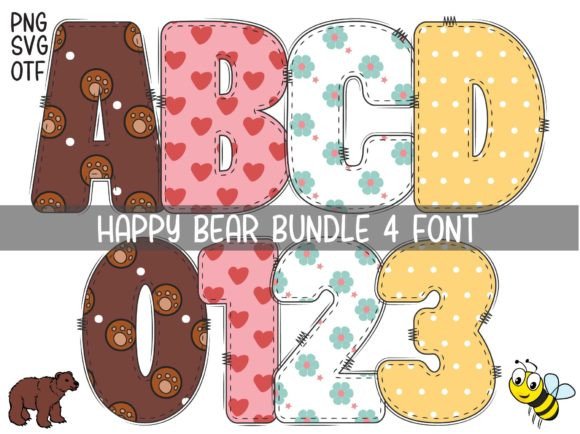
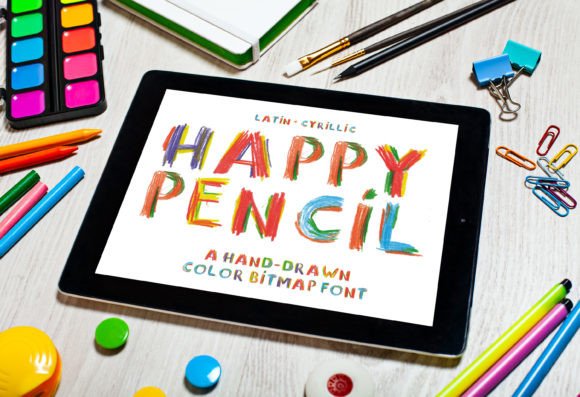
At its core, Happy Pencil is a premium display font designed to emulate the charming, imperfect strokes of a child's handwriting. But it’s the "color font" aspect that truly sets it apart. Imagine letters that aren't just black outlines but are filled with vibrant, textured color, as if drawn with a fresh set of crayons or colored pencils. That's the magic of this typeface. The characters have a natural, slightly uneven baseline and varying stroke weights, which immediately gives them an organic, hand-crafted feel. This isn't a sterile, uniform script font; it's a celebration of childhood creativity.
The personality of this creative font is unmistakably cheerful and energetic. It communicates fun, innocence, and approachability. This makes it a powerful tool for any project where the goal is to evoke positive, lighthearted emotions. Think about the feeling you get from a child's drawing on the fridge—it’s pure, unfiltered, and full of character. Happy Pencil captures that essence and makes it accessible for professional use in modern typography. It’s a typeface that doesn't take itself too seriously, and in doing so, it allows your message to land with genuine warmth.
Putting Happy Pencil to Work: Practical Applications
The true value of any font lies in its application. A typeface can be beautiful in isolation, but it needs to solve a problem or enhance a project to be truly useful. Happy Pencil excels in a variety of contexts, particularly those targeting children, families, or anyone who appreciates a touch of whimsy. Its strength is in its specificity; it’s a specialist font, not a generalist one, and understanding its ideal environment is key to using it effectively.
Branding and Identity Design
For businesses and creators in the family-centric space, this typeface is a game-changer. Imagine a logo design for a children's bookstore, a daycare center, or a line of organic baby food. Using Happy Pencil immediately establishes a brand identity that is friendly, trustworthy, and fun. It sets a clear tone before a customer even reads a word of copy. It works beautifully for brand names, taglines, and headings on packaging design, instantly making a product feel more accessible and appealing on a crowded shelf.
Editorial and Publishing
In editorial design, a display font like Happy Pencil is perfect for creating visual hierarchy and drawing the reader's eye. Use it for chapter titles in a children's book, article headers in a parenting magazine, or pull quotes in a blog post about family activities. Its playful nature provides a delightful contrast to a clean sans serif font used for body text, making the page layout more dynamic and engaging. It guides the reader through the content in a way that feels intuitive and enjoyable.
Digital and Marketing Content
The digital world is a prime playground for this typeface. It’s a fantastic choice for creating eye-catching social media graphics, especially for platforms like Instagram and Pinterest where visual appeal is paramount. Think about designing graphics for a back-to-school sale, a kids' craft tutorial, or a birthday party announcement. The vibrant, colorful nature of the font ensures your posts will stand out in a fast-scrolling feed. It’s also a great option for web design elements on kid-focused websites, such as call-to-action buttons, section headers, or banner text. When used in video content or animations, the font can add a playful, energetic flair to titles and lower thirds.
Personal and Craft Projects
Beyond commercial use, Happy Pencil is a wonderful creative asset for personal projects. Crafters and hobbyists will find it perfect for designing custom birthday invitations, classroom labels, scrapbook layouts, or personalized stationery. Its authentic, handmade feel adds a personal touch that a standard computer font simply cannot replicate. It allows you to create professional-looking designs with a heartfelt, DIY spirit.
Integrating a Creative Font with Professional Finesse
Using a highly stylized font requires a bit of strategy. To get the most out of Happy Pencil, consider these practical guidelines rooted in design best practices. The goal is to use its personality to your advantage without overwhelming your audience or compromising clarity.
- Mastering Font Pairing: A display font like this works best when paired with a simpler, more neutral typeface. A clean sans serif font (like Lato, Montserrat, or Open Sans) is an excellent companion for body copy. This creates a balanced visual hierarchy, where the headings are expressive and the body text is highly readable. Avoid pairing it with another busy script or handwritten font, as this will create visual chaos.
- Prioritizing Readability: While charming, a handwritten font is not ideal for long blocks of text. Its irregular shapes can cause eye strain over extended reading. Use Happy Pencil for short, impactful text: headlines, logos, single words, or short phrases. This is where its personality shines without sacrificing legibility. Always test your design at the size it will be viewed to ensure clarity.
- Evaluating Your Project's Fit: Ask yourself if the playful, youthful tone aligns with your project's goals. It's a perfect fit for a children's party invitation but might not be the right choice for a formal corporate report. Understanding your audience and the message you want to convey is crucial. The font should enhance your message, not distract from it.
- Reviewing Commercial Licensing: If you plan to use the font for any project that generates revenue—from a client logo to merchandise you sell—it is essential to ensure you have the correct commercial font license. Most premium font providers offer different licensing tiers. Always read the terms carefully to ensure your usage is compliant. This protects both you and the font's creator.
Ultimately, a typeface is a voice. Happy Pencil speaks with the joyful, uninhibited energy of a child at play. By integrating it thoughtfully into your projects, you can create designs that are not only visually appealing but also emotionally resonant, building a stronger connection with your audience and making your work memorable for all the right reasons.