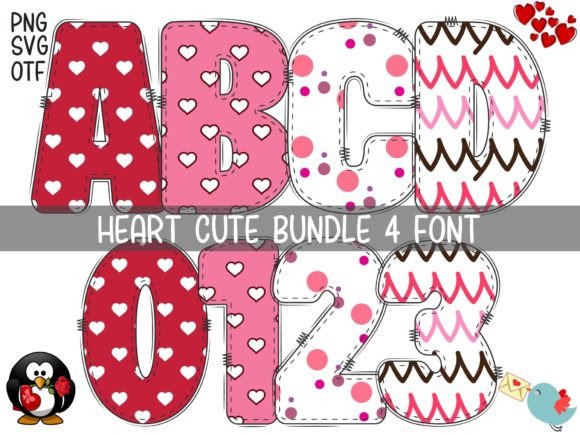
Heart Cute: A Creative Font for Valentine’s Day Design
There are moments in a design project where a standard sans serif just won't do. You need personality. You need warmth. You need a visual cue that immediately tells your audience, "This is special, this is festive, and this is made with care." This is exactly where the Heart Cute typeface enters the conversation. It is not merely a collection of letters; it is a carefully crafted visual asset designed to evoke the spirit of romance and celebration. If you are working on projects centered around love, affection, or simply want to add a touch of whimsy to your work, understanding how to leverage this specific style of modern typography is essential.
Visual Characteristics and Personality
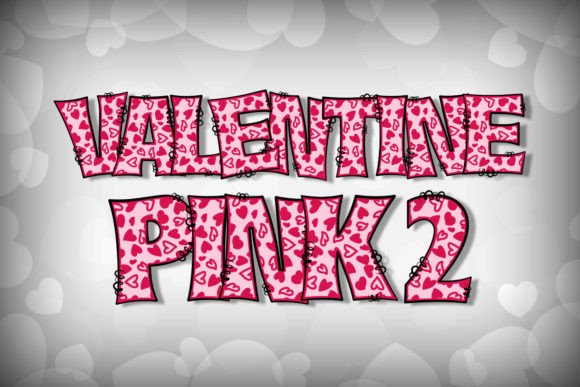
At its core, Heart Cute is a display font that prioritizes visual impact over paragraph-length readability. The defining feature of this typeface is the integration of heart-shaped patterns and motifs directly into the letterforms. Unlike a standard serif font or sans serif font that relies on clean lines and structural geometry, this creative font uses negative space and decorative fills to create a textured, celebratory look. The personality of the font is unapologetically joyful. It suggests a "day of love" aesthetic, making it an ideal choice for Valentine’s Day promotions, wedding stationery, or any design that requires a soft, affectionate tone.
Because it functions as a premium font asset, the design quality ensures that the intricate patterns within the letters remain crisp, even at larger sizes. It bridges the gap between a handwritten font and a structured typeface, offering the charm of the former with the reliability of the latter. When you use Heart Cute, you are introducing a design asset that acts as a focal point. It doesn't just convey a message; it conveys an emotion.
Strategic Applications in Modern Design
Knowing what a font looks like is one thing; knowing where to use it effectively is the mark of a professional. Heart Cute shines brightest in scenarios where short bursts of text need to carry the weight of the design. Here is how different creative professionals can integrate this font into their workflows:
Branding and Logo Design
For small business owners and entrepreneurs in the lifestyle, beauty, or confectionery sectors, a logo sets the stage. Using Heart Cute in logo design can instantly position a brand as approachable and fun. However, it is crucial to treat this as an accent. A logo entirely composed of this font might be overwhelming. Instead, consider using it for a tagline or a secondary wordmark. This helps in building a brand identity that feels cohesive without sacrificing readability for the primary business name.
Marketing and Social Media Graphics
In the fast-scrolling world of social media, stopping the thumb is the goal. Heart Cute is a powerhouse for social media graphics. Whether you are designing Instagram Stories, Pinterest pins, or Facebook ads for a February sale, this font grabs attention. It works exceptionally well for headers and call-outs. For marketers, pairing this display font with a clean, legible body copy font is a proven strategy to maintain professionalism while injecting personality into your campaigns.
Publishing and Editorial Design
Publishers and bloggers can utilize this typeface for specific editorial elements. Think chapter titles in a romance novel, headers on a lifestyle blog, or pull quotes in a digital magazine. In editorial design, contrast is key. Using Heart Cute for headings creates a strong visual hierarchy that guides the reader's eye from the decorative title to the clean body text. It adds a layer of thematic depth that a standard script font might not achieve with the same level of detail.
Packaging and Physical Products
If you are involved in packaging design, particularly for seasonal goods like chocolates, greeting cards, or cosmetics, this font is a natural fit. The intricate heart patterns in Heart Cute translate beautifully to print, provided the resolution is high. It helps create a tactile, "gift-like" feel to the product before the customer even opens the box.
Technical Considerations and Readability
While the aesthetic appeal is high, practical application requires a discussion on readability. As a creative font with high decorative value, Heart Cute is not designed for long-form body copy. Using it for paragraphs would strain the reader's eyes and break the flow of reading. This is a common pitfall for those new to typography. The rule of thumb with ornate typefaces is hierarchy: use them sparingly for maximum effect.
When testing this font for your projects, pay close attention to the tracking (letter spacing). Decorative fonts often benefit from slightly increased spacing to let the intricate details breathe. Additionally, consider the background. Because the font contains patterns, it needs a clean, solid background to stand out. Placing Heart Cute over a busy photograph without a solid overlay or drop shadow can result in a muddy, illegible mess.
Making the Right Choice for Your Project
Choosing the right typeface is a subjective process, but it should also be strategic. Before committing to Heart Cute, evaluate the tone of your project. Does the project require a serious, corporate tone? If so, a standard sans serif font is likely the better choice. However, if the goal is to convey joy, celebration, romance, or playfulness, this font is an excellent candidate.
One of the most important steps in the design process is font pairing. A font like Heart Cute demands a quiet partner. Pair it with a geometric sans serif or a simple serif font for your body text. This contrast allows the decorative font to do its job—catching the eye—while the secondary font ensures the message is actually read. Avoid pairing it with other decorative fonts, such as complex script fonts, as this creates visual competition and confuses the viewer.
Licensing and Commercial Use
For designers, agencies, and business owners, the legal aspect of using design assets is non-negotiable. Heart Cute is typically distributed as a commercial font, meaning it requires a license for use in profit-generating projects. Whether you are selling merchandise, designing a logo for a client, or running ads, ensure you have the appropriate license. This not only protects you legally but supports the type designers who create these high-quality tools. Always review the licensing agreement to understand the scope of use, especially if you are working on a large-scale campaign or distributing the font within a template.
Conclusion
In a marketplace saturated with generic templates and overused typefaces, Heart Cute offers a distinct voice. It is a specialized tool designed for specific moments—moments of love, celebration, and connection. By understanding its visual strengths, pairing it with complementary fonts, and applying it to the right channels, you can elevate your work from standard to standout. Whether you are a crafter making handmade cards or a marketer launching a seasonal campaign, this font provides the visual vocabulary needed to speak directly to the heart.