Light Rain: A Fresh Take on the Line Pattern Display Font
There’s a particular kind of visual quietness that can be more powerful than a shout. In a design landscape often saturated with bold, loud graphics, the Light Rain typeface offers a compelling alternative. This isn’t just another creative font; it’s a thoughtfully crafted piece of modern typography built on a foundation of delicate line patterns. As a premium font, it moves beyond static letterforms, presenting characters that feel both structured and fluid, like a sketch come to life. The core of its appeal lies in its inherent coolness—a minimalist, architectural quality that brings a sophisticated edge to any project it touches.
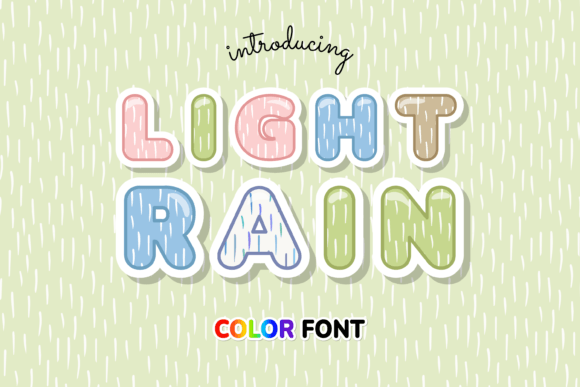
Visually, Light Rain is a study in restraint and detail. Each glyph is constructed from continuous, thin lines that define its shape without filling it entirely. This line pattern approach creates a sense of depth and texture, allowing the background or underlying color to participate in the letterform. The personality of this display font is best described as contemporary, refined, and subtly technical. It carries the precision of a sans serif font but with an artistic, hand-rendered warmth that prevents it from feeling cold. The overall aesthetic is clean, airy, and exceptionally versatile, making it a standout design asset for creators who value nuance over noise.
Where Light Rain Truly Shines: From Branding to Personal Projects
The practical applications for a font like Light Rain are extensive, particularly for projects that aim to communicate clarity, innovation, or understated elegance. In logo design, it can establish a brand identity that feels modern, trustworthy, and intelligent. Think of a boutique tech startup, an architectural firm, a high-end skincare line, or a minimalist fashion label. The font’s structure provides the professionalism needed for a commercial font, while its unique line-art quality ensures immediate recognition and recall.
Beyond logos, its strengths are evident across a range of creative contexts:
- Editorial & Packaging Design: Use Light Rain for magazine headlines, book titles, or product packaging where you want to grab attention without overwhelming the reader. Its detailed construction works beautifully on textured paper stocks, adding a tactile quality to print.
- Digital & Web Design: It excels as a hero font for website headers, app interfaces, and social media graphics. On a clean, solid background, the font’s patterns pop, creating a dynamic focal point. It’s a fantastic choice for infographic titles or presentation slides that need to look polished and on-brand.
- DIY Crafts & Personal Use: For crafters using compatible software, Light Rain opens up a world of possibilities. Imagine custom wedding invitations, elegant greeting cards, personalized stationery, or vinyl decals for home decor. Its intricate look translates a simple project into something that appears professionally designed.
The key is to match the font’s personality with the project’s message. It communicates innovation, precision, and a forward-thinking sensibility, making it ideal for entrepreneurs and small business owners carving out a distinct niche.
Practical Guidance: Working with a Color Font
Integrating a font like Light Rain into your workflow requires a slightly different approach than working with standard typefaces. Because it is an Opentype-SVG color font, its capabilities are tied to specific design software. It performs exceptionally well in programs like Adobe Photoshop, Illustrator, Affinity Designer, and Inkscape, which can interpret the vector-based color data embedded in the font file. This is crucial to understand: the OTF or TTF files are not compatible with cutting machines like Cricut, which cannot process the complex color and pattern information.
When evaluating its fit for a project, consider the following practical steps:
- Test for Readability: As a display font, Light Rain is designed for headlines, subheadings, and short bursts of impactful text, not for long paragraphs. Always test it at the intended size to ensure the line patterns remain clear and don’t become visually noisy when scaled down.
- Master Font Pairing: The character of Light Rain is strong, so pairing it effectively is key. It pairs beautifully with clean, simple sans serif fonts for body text (like Open Sans, Lato, or Helvetica). For a more dramatic contrast, try it with a classic, readable serif font like Garamond or Merriweather. The goal is to let the display font command attention while the supporting font ensures readability.
- Leverage Color Intelligently: The “color” in color font refers to the fact that the font itself can contain multiple colors and gradients. However, you can often still change the base color of the font in your design software. Experiment with placing it on different colored backgrounds to see how the line patterns interact—dark backgrounds often make the lines pop dramatically, while light backgrounds create a more subtle, engraved effect.
- Review Licensing: For any commercial project—whether you’re designing a logo for a client, creating merchandise for sale, or producing marketing materials for your business—ensure you have the appropriate commercial license. Understanding the terms is a professional necessity that protects both you and your client.
Ultimately, Light Rain is more than just a typeface; it’s a versatile tool for modern visual storytelling. Its value lies in its ability to add a layer of sophistication and contemporary style with a single font choice. By understanding its technical nature and aesthetic strengths, designers, marketers, and creators can use it to build more compelling, cohesive, and recognizable brand identities and creative projects. It’s a testament to how thoughtful typography can shape perception and elevate the ordinary into the exceptional.