Pride: A Color Font for Unforgettable Branding
When you are scrolling through a library of design assets, looking for that perfect typeface, it is easy to feel like you are seeing the same thing over and over again. There are thousands of high-quality serif fonts and sans serif fonts available, and while they are essential for body text and corporate identity, they rarely spark immediate joy. If you are working on a project that demands attention—something that needs to feel energetic, celebratory, or simply undeniably fun—standard typography often falls flat. This is where the Pride font steps in, offering a visual punch that standard vector shapes simply cannot achieve.
Understanding the Pride Typeface
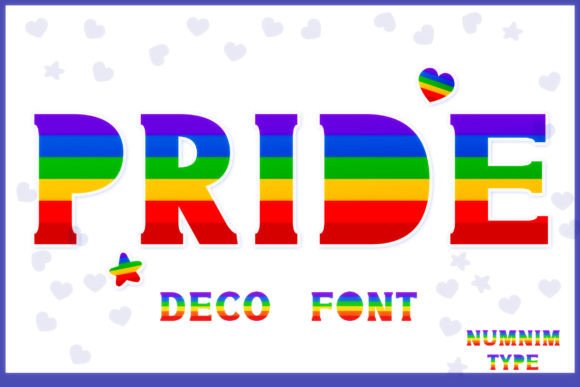
Pride is a premium font that breaks the mold of traditional typography by functioning as a color font. For those unfamiliar with the technology, a color font (or chromatic font) embeds color data directly into the typeface file. This means that unlike a standard script font or handwritten font where you have to manually apply gradients, textures, or colors letter by letter in your design software, Pride comes ready to go. The moment you type, the characters appear with their vibrant, multi-colored gradients and shading intact.
Visually, Pride is bold, playful, and unapologetically loud. It carries a distinct personality that sits somewhere between a celebration and a festival. The letterforms are crafted with a sense of movement, making them ideal for headlines that need to jump off the page or screen. It is not a display font for whispering; it is a typeface for making announcements. The "cool and uniquely crafted" nature of the font stems from this ability to deliver complex visual effects—like shading and color blending—without requiring advanced design skills from the user.
Where Pride Fits in Your Creative Projects
As a designer or creative professional, choosing the right typeface is about context. You wouldn't use a playful, multi-colored font for a legal contract, obviously. However, the applications for a font like Pride are broader than many might initially assume. It is a versatile tool for specific niches where engagement is the primary goal.
For small business owners and entrepreneurs, Pride is a game-changer for physical merchandise. If you are designing graphics for print-on-demand services, this font is practically tailor-made for products like:
- T-shirts and Apparel: The color gradients eliminate the need for complex layering in your design software.
- Mugs and Drinkware: It creates an instant focal point that catches the eye in product photography.
- Stickers and Decals: The playful characters translate perfectly to the booming sticker market.
- Ornaments and Gifts: Ideal for seasonal or celebratory merchandise.
Beyond physical products, Pride has significant potential in digital design. Content creators and bloggers can utilize this font for YouTube thumbnails, Instagram Stories, or Pinterest pins where click-through rates depend on standing out in a crowded feed. It brings a level of energy to social media graphics that standard text overlays often lack. Even in editorial design, while it wouldn't work for a body paragraph, it serves as a striking drop cap or pull quote style for magazines or zines targeting a younger, trend-savvy demographic.
Integrating Pride into Brand Identity and Hierarchy
One of the most common mistakes in brand identity design is trying to force a single typeface to do everything. A brand needs a voice, and that voice often requires different tones. Pride is an excellent addition to a brand's typographic toolkit as the "accent" voice. If your brand identity relies on being approachable, energetic, or community-focused—think event planning companies, party supply stores, or community organizations—Pride can serve as your primary headline font for marketing materials.
However, using a color font effectively requires an understanding of visual hierarchy. Because Pride is so visually dense and colorful, it naturally sits at the top of the hierarchy. It demands to be read first. This makes it perfect for hero text on a landing page or the main title of an event invitation.
When considering readability, it is important to treat Pride as a display typeface. This means it is designed for large sizes. You should avoid setting long sentences or small text with Pride. At small sizes, the intricate color details can become muddy, and the decorative nature of the letterforms can make it difficult to decipher. Stick to short, impactful headlines, logos, or single-word callouts.
Practical Guidance: Pairing and Implementation
If you are new to using color fonts or bold display typefaces, the concept of font pairing is crucial. Pride does the heavy lifting visually, so your secondary font needs to step back and support it without competing.
Here is a practical approach to pairing Pride:
- Pair with Neutrals: Because Pride is vibrant, it pairs exceptionally well with clean, geometric sans serif fonts. Think fonts like Montserrat, Open Sans, or Lato for your body text. The neutrality of the sans serif allows Pride’s colors to pop without overwhelming the reader.
- Contrast with Serifs: For a more editorial look, you can pair Pride with a classic serif font. This creates a high-contrast dynamic between the modern/playful color font and the traditional/trustworthy serif.
- Avoid Script Overload: Generally, avoid pairing Pride with another script font or highly stylized handwritten font. Two decorative fonts competing for attention usually result in visual chaos and a lack of professionalism.
Another major selling point for professionals is the technical accessibility of the font. Pride is PUA encoded. If you have ever struggled to access special characters or swashes in standard fonts—especially in software like Silhouette Studio, Cricut Design Space, or older versions of graphic design suites—you know the frustration. PUA encoding ensures that every single glyph, swash, and stylistic alternate is accessible via your operating system's character map, regardless of the software you are using. This is a massive time-saver for crafters and ensures consistency across different platforms.
Evaluating the Commercial Value
For entrepreneurs and agencies, every design asset represents an investment. When evaluating a commercial font like Pride, you have to look at the return on investment in terms of versatility and production speed.
First, consider the licensing. As with any premium font, you must ensure the license covers your intended use. If you are selling physical products (like the mugs or t-shirts mentioned earlier), you typically need a license that permits embedding or commercial use. Always read the specific EULA (End User License Agreement) provided with the font to ensure your business is protected.
Second, evaluate the "production speed" factor. Using a standard font to create a rainbow gradient effect might take you 20 minutes of manual labor in Adobe Illustrator. Using Pride achieves that same effect instantly. For a busy small business owner or a designer working on tight deadlines, that time savings is invaluable. It allows you to produce high-quality packaging design or promotional flyers in a fraction of the time.
Finally, look at the included styles. A good color font package often includes variations—perhaps a solid version for use on textured backgrounds where the transparency of the color font might get lost, or different color presets. Reviewing these styles during your testing phase ensures that the font can adapt to various background colors and textures in your projects.
Final Thoughts on Modern Typography
Modern typography is no longer just about black ink on white paper. It is about texture, depth, and personality. Fonts like Pride represent the evolution of digital design, where software capabilities allow for typefaces that are art pieces in their own right. By incorporating Pride into your toolkit, you are not just buying a font; you are buying a specific aesthetic that can elevate a standard project into something memorable. Whether you are designing a logo for a new startup, creating graphics for a Pride month event, or simply looking to add a splash of color to your personal crafting projects, this typeface offers a practical, visually striking solution.