Tahiti: The Dazzling Color Font for Unique Creative Ideas
A Typeface That Embraces Uniqueness and Joy
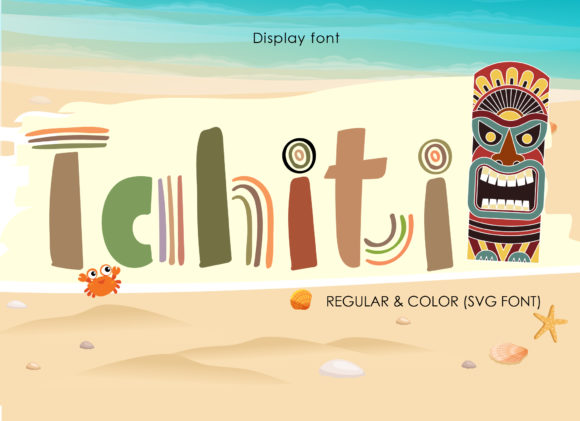
Let's talk about a font that doesn't just sit quietly on the page but actively participates in the design. Tahiti is that font. It's an incredibly unique and fun color font, built on the modern OpenType-SVG format. What does that mean for you? It means Tahiti arrives with its own built-in color gradients, textures, and depth. Each letterform is a miniature piece of art, embodying a spirit of uniqueness and joy that flat, single-color typefaces simply can't match.
Visually, Tahiti is a premium display font designed to make a statement. Its personality is bold, vibrant, and unmistakably creative. Imagine lettering that feels hand-painted with a playful, tropical flair—that’s the core of its appeal. It’s not a serif font for body copy or a simple sans serif for utility. Tahiti is a creative font, a showstopper meant for headlines, logos, and moments where you need to capture attention instantly. Its style bridges the gap between modern typography and artistic expression, offering a tool that can turn a standard project into a standout piece. As a design asset, its value lies in its ability to inject immediate character and energy into a composition.
Where Does Tahiti Shine? Real-World Applications
Understanding where a font like Tahiti works best is key to using it effectively. Its strength is in applications where personality and visual impact are the primary goals. Think of it as the exclamation point in your typographic toolkit, not the sentence itself.
For branding and logo design, Tahiti can be transformative for the right project. It’s perfect for businesses in creative fields—think a boutique ice cream shop, a surf school, a travel blog, or a vibrant clothing line. Using Tahiti in a logo or on a brand’s primary headline instantly communicates a fun, approachable, and modern identity. It helps a brand stand out in a crowded market, especially in social media graphics where first impressions are everything. A single, well-placed headline in Tahiti can stop the scroll and define a brand's visual tone.
In editorial and publishing design, this typeface finds its home in magazine covers, chapter headings, pull quotes, and feature article titles. It adds a layer of visual interest that draws readers in, making layouts feel more dynamic and contemporary. Similarly, in packaging design, Tahiti can make a product pop on the shelf, conveying the product's personality—be it playful, energetic, or artisanal—before a customer even reads the description.
For digital creators and marketers, Tahiti excels in web design for hero sections, banner text, and call-to-action buttons. Its vibrant nature is ideal for creating eye-catching social media graphics, email newsletter headers, and promotional materials. The font’s inherent joy makes it a natural fit for announcements, sales, and celebratory content. Crafters and hobbyists also find immense value in Tahiti for creating standout personal projects like custom party invitations, bold greeting cards, and unique wall art that feels professionally designed.
Practical Guidance for Using Tahiti Effectively
Adding a distinctive font like Tahiti to your collection is exciting, but practical application is what brings value. Here’s how to approach it thoughtfully.
First, evaluate the project fit. Ask yourself: Does the project need to convey energy, fun, and creativity? If you’re designing a formal financial report or a minimalist tech startup’s website, Tahiti is likely not the right choice. But if the goal is to evoke joy, excitement, or a tropical vibe, it’s a powerful candidate. Always let the project's message and audience guide your font selection.
Next, consider font pairing. A font with as much personality as Tahiti needs a balancing partner. It works beautifully with clean, neutral typefaces. Pair it with a simple sans serif font for body text to ensure readability and create a clear visual hierarchy. For example, use Tahiti for a main headline and a font like Helvetica, Open Sans, or Lato for subheadings and paragraphs. This contrast allows Tahiti to shine without overwhelming the viewer. Avoid pairing it with other highly decorative or script fonts, as this can create visual chaos.
Always review the included styles. Tahiti, as a color font, may come with variations. Check if it includes a standard black-and-white version, which can be useful for contexts where full color isn't feasible. Test the font at the sizes you intend to use it. While it’s designed for impact at larger sizes, always check legibility for your specific use case, especially on smaller screens or in print.
Finally, understand the licensing and compatibility. Note! This product is a color font (OpenType-SVG) and is compatible with major design software like Adobe Photoshop, Illustrator, Silhouette Studio, and Inkscape. However, the OTF and/or TTF files are not compatible with Cricut. If you use a Cricut machine for crafting, this is a critical detail to verify before purchasing. For a deeper dive into working with this type of font, our Ultimate Font Guide is an invaluable resource. Ensure your commercial license covers your intended use, whether for client work or selling physical products featuring the font.
In essence, Tahiti is more than just a set of letters; it’s a mood, a statement, and a powerful design asset. Used with intention, it can elevate your creative work, strengthen brand recognition, and engage your audience in a way that feels fresh and authentic. It’s a tool for designers, entrepreneurs, and creators who aren’t afraid to let their projects radiate a little joy.