The Flying Bee Font: A Playful Tool for Creative Designers
Every designer knows the feeling of searching for that perfect typeface—one that injects personality without overwhelming the message. Enter Flying Bee, a premium font that captures the whimsical energy of nature with a distinctly modern, hand-drawn flair. It’s not just another script font; it’s a design asset built for projects that need to feel approachable, creative, and full of life. If you’re building a brand identity for a boutique, crafting social media graphics, or designing a children’s book, understanding the nuances of this typeface is the first step to using it effectively.
Visual Character and Style
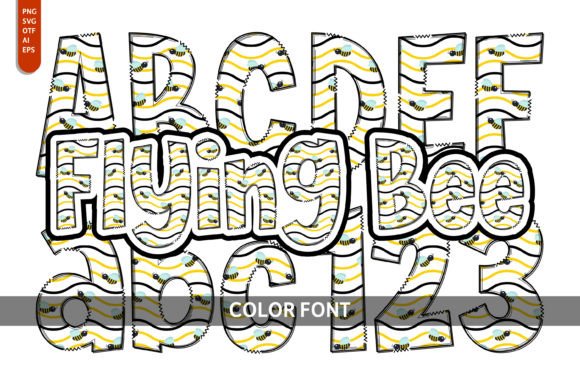
At its core, Flying Bee is a display font characterized by its fluid, organic strokes. It mimics the natural movement of a bee in flight—smooth, looping, and slightly erratic in a charming way. Unlike rigid sans serif fonts or formal serif fonts, this typeface offers a handwritten font aesthetic that feels personal. The visual weight is balanced, allowing it to stand out in headlines without looking aggressive. It strikes a unique middle ground between a casual script font and structured modern typography, making it versatile for both digital and print mediums. The letters often feature soft curves and varying thicknesses, which adds a layer of texture and depth that flat, geometric fonts simply cannot replicate.
Where Flying Bee Fits Best
Because of its playful nature, Flying Bee excels in specific environments. It is a natural fit for editorial design, particularly in magazines or blogs targeting lifestyle, gardening, or family topics. In packaging design, it shines for organic products, bakeries, or artisanal goods where a human touch is essential to the brand story. For web design, it works beautifully for hero sections or call-to-action buttons, provided the background is clean enough to let the letterforms breathe.
Consider the world of publishing. In children’s books, readability is king, but engagement is the queen. Flying Bee offers a whimsical, colorful vibe that captures the imagination of young readers while remaining legible for parents reading aloud. Similarly, for invitations and greeting cards, this font eliminates the stiffness of corporate typography, replacing it with warmth and joy. It is also a strong contender for logo design for small businesses, particularly those in the creative or wellness sectors, as it suggests approachability and creativity.
Practical Application and Pairing
Using a creative font like Flying Bee requires a strategic approach to visual hierarchy. Because it is a display typeface, it demands attention. Therefore, it should rarely be used for long blocks of body text. Instead, pair it with a clean, neutral companion. For example, combining Flying Bee with a minimalist sans serif font for body copy creates a beautiful contrast. The whimsy of the headline draws the eye, while the simplicity of the body text ensures the message is delivered clearly.
When testing font pairings, look for balance. If Flying Bee is your primary headline, your secondary font should be stable and grounded. Avoid pairing it with other script fonts or overly decorative styles, as this creates visual chaos. Instead, think of it as the "accent" in your design recipe. Use it for pull quotes, sub-headers, or logo marks where you want to establish a distinct brand identity. For digital creators, it is excellent for YouTube thumbnails or Instagram stories where you need to stop the scroll instantly.
Technical Considerations and Licensing
Before integrating Flying Bee into your workflow, it is vital to understand the technical specifications. This product is an OpenType-SVG color font. This is a significant distinction from standard OTF or TTF files. An SVG font embeds high-resolution graphics within the font file itself, allowing for gradients, textures, and multi-color effects directly in the text layer. This makes it a powerful tool for creating realistic, hand-painted looks in PhotoShop, Illustrator, Silhouette, and Inkscape.
However, there is a critical compatibility note for crafters. The OTF and TTF files of this product are not compatible with Cricut machines. If you are a small business owner using a Cricut for cutting vinyl or paper designs, you may face limitations with this specific file type. Always verify your software compatibility before purchasing. For those using compatible software, the result is a high-fidelity design asset that retains the authentic look of hand-lettering.
From a commercial font perspective, always review the licensing terms. Most premium fonts require an extended license for high-volume commercial use, such as on merchandise sold to the public. Ensure your license covers your specific use case, whether it is for a client’s brand identity or your own product line. By respecting these guidelines, you maintain professionalism and avoid legal pitfalls.
Final Thoughts on Readability
While Flying Bee is visually striking, always prioritize your audience’s experience. Test the font at the size it will be viewed. A whimsical style that looks beautiful on a large poster might become illegible on a small mobile screen if the x-height is too low or the swashes are too intricate. Adjust letter spacing (tracking) if necessary to ensure the letters don’t collide. When used thoughtfully, Flying Bee is more than just a typeface; it is a storytelling device that adds character, emotion, and a distinct human touch to any project.