Wildflower Font: Crafting Whimsy and Artistry in Your Designs
When a project calls for more than just letters on a page—when it needs to feel alive, playful, or hand-crafted—typography becomes your most powerful tool. The Wildflower font steps into this role beautifully. It’s a premium font designed to inject personality and a distinct artistic flair into your work. Think of it as the typographic equivalent of a friendly, confident brushstroke—inviting, expressive, and full of character.
Where Wildflower Truly Blooms
This creative font isn't a one-size-fits-all solution, and that’s its strength. Its handwritten font style, with a playful or artistic feel, makes it a standout choice for specific applications where warmth and approachability are key. You’ll find it excelling in projects designed to connect on a personal or emotional level.
- Children’s Books and Educational Materials: The font’s whimsical, easy-to-read letterforms are perfect for young audiences. It creates an engaging reading experience without sacrificing clarity, making stories and learning materials more inviting.
- Invitations and Greeting Cards: For weddings, birthdays, or holiday cards, Wildflower adds a personal, handcrafted touch that feels more intimate than standard fonts. It sets the tone for celebration right from the envelope.
- Branding for Creative Businesses: Boutiques, bakeries, artisanal product makers, and children’s brands can use this typeface to build a brand identity that feels authentic, friendly, and unique. It’s particularly effective in logo design for brands that want to convey a handmade ethos.
- Marketing and Social Media: In a crowded digital space, Wildflower helps social media graphics and ads stand out. Its distinctive style can increase visual appeal and stop-the-scroll engagement, especially for lifestyle, wellness, or family-focused content.
Beyond these, consider it for packaging design for artisan goods, editorial design for magazine features or blog headers, and even for web design accents like pull quotes or special feature titles. Its utility in print is broad, from posters to apparel tags.
Making It Work: Practical Guidance for Designers and Creators
Choosing a font like Wildflower is just the first step. Integrating it effectively into your workflow is what brings your project to life. Here’s how to approach it with a professional mindset.
Evaluating Project Fit and Readability
Before you commit, ask: Does my project’s personality align with a whimsical, colorful, and easy to read aesthetic? While Wildflower is designed for legibility, its script-like nature means it’s best used for headlines, short bursts of text, or accent phrases—not for long body paragraphs. Always test it in context to ensure it maintains readability at the intended size and on the final medium, whether it’s a glossy magazine page or a mobile phone screen.
Mastering Font Pairings and Visual Hierarchy
A display font like Wildflower rarely works alone. Effective font pairing is crucial for establishing a clear visual hierarchy and maintaining professionalism. Its expressive nature pairs well with cleaner, more neutral fonts. Try combining it with a simple sans serif font for body text or a classic serif font for a touch of elegance. This contrast allows the personality of Wildflower to shine in headlines without overwhelming the reader. For example, use Wildflower for a main title, a clean sans serif for subtitles, and a readable serif for body copy.
Understanding the Technical Details
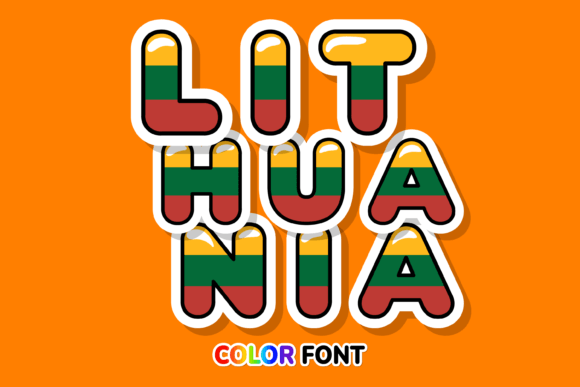
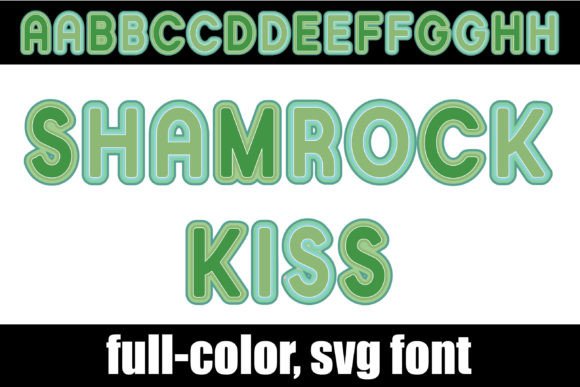
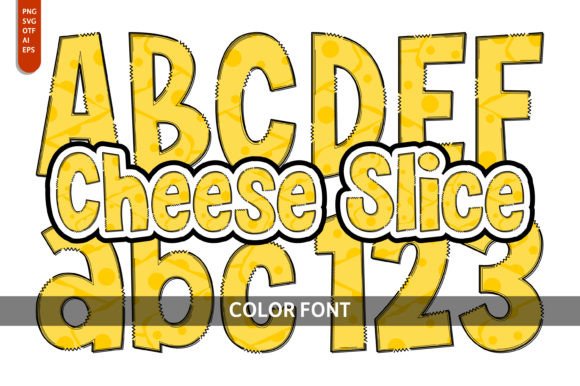
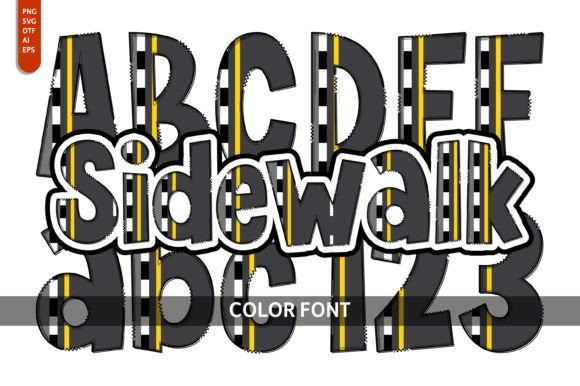
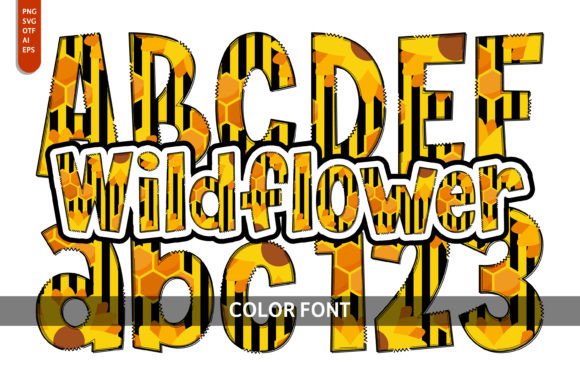
This is a critical point for your workflow. Wildflower is a color font (specifically an OpenType-SVG font). This means it contains embedded graphics or color information within the font file itself, allowing for multi-colored letterforms in a single typeface. However, compatibility is key. It works seamlessly in professional design software like PhotoShop, Illustrator, Silhouette, and Inkscape. If you use Cricut machines, be aware that the standard OTF/TTF files are not compatible. Always check the provided Ultimate Font Guide for detailed instructions on installing and using color fonts in your preferred software to avoid frustration.
Licensing and Commercial Use
For entrepreneurs and small business owners, understanding the licensing of a commercial font is non-negotiable. Wildflower is typically sold as a design asset with a commercial license, allowing you to use it in projects you sell or for client work. However, licenses can vary. Always review the specific terms provided with your purchase to ensure your intended use—whether for a single client project, unlimited print-on-demand products, or a software application—is covered. This due diligence protects both you and the font creator.
Ultimately, Wildflower is more than just a collection of glyphs. It’s a tool for storytelling. Used thoughtfully, it can elevate a design from merely informative to genuinely memorable, helping you build a stronger connection with your audience through the power of well-chosen modern typography. Take the time to explore its potential, test it rigorously, and you’ll find it becomes a valued part of your design assets toolkit.