Chocolate Cookies: A Sweet Typeface for Whimsical Branding
In the world of design, capturing a feeling is often more important than just conveying a message. We see this in packaging that makes us feel cozy, logos that feel trustworthy, and menus that feel appetizing. Typography is the silent storyteller behind these emotions. While a classic serif font might whisper tradition and a clean sans serif font shouts modern efficiency, there are projects that demand something more personal, more playful, and far more delicious. Enter Chocolate Cookies, a premium font that isn't just a set of characters, but a genuine design asset crafted to evoke the warmth and charm of a freshly baked treat.
More Than Just a Font: The Anatomy of a Delightful Typeface
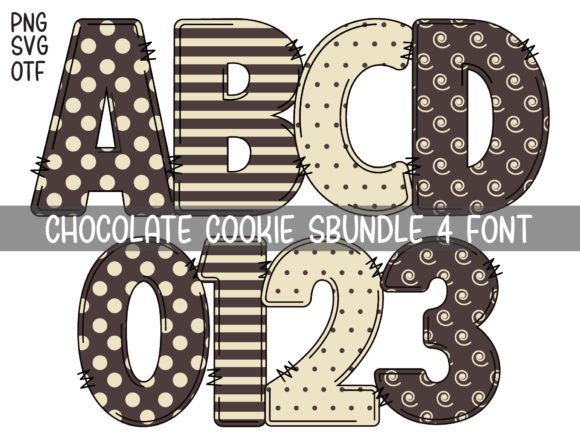
At first glance, Chocolate Cookies is pure whimsy. Each letter is meticulously shaped like an actual cookie, complete with subtle texturing that mimics baked dough. The defining feature is the inclusion of "chocolate chips" integrated directly into the letterforms. These aren't random blobs; they're thoughtfully placed to maintain the legibility of each character while adding that irresistible, playful detail. Some characters even feature delicate "icing" accents, adding a layer of visual interest and a handmade quality. This isn't a cold, digital creation; it has the heart of a handwritten font or a script font, but with the structured clarity needed for display purposes.
The personality of this typeface is approachable, fun, and nostalgic. It feels homemade in the best possible way, immediately putting the viewer at ease. Its style avoids the pitfalls of being overly childish; instead, it targets a sweet spot of sophisticated playfulness that resonates with adults. Think of a high-end bakery's branding or a premium ice cream label—Chocolate Cookies fits that world perfectly. It’s a creative font designed to be a focal point, a display font that carries the emotional weight of a project on its shoulders.
Finding the Perfect Recipe: Ideal Applications for Chocolate Cookies
The true value of any typeface lies in its application. Chocolate Cookies excels in projects where charm, personality, and a touch of indulgence are the primary goals. It’s a specialist, not a generalist, and knowing where it shines is key to using it effectively.
For packaging design, this font is a natural fit. Imagine it on the box for a gourmet cookie mix, the label for artisanal chocolate sauce, or the branding for a local ice cream parlor. It instantly communicates the product's character without a single word of description. In logo design, it can form the cornerstone of a brand identity for bakeries, cafes, dessert shops, or even a children's party planning service. The key is to use it for the primary wordmark or a catchy tagline, ensuring it remains the star of the show.
Beyond food, its applications in editorial design and web design are surprisingly versatile. Use it for chapter titles in a cookbook, headings on a food blog, or the title of a whimsical children's story. For social media graphics, it’s a powerful tool for creating eye-catching posts for bakeries, promoting a sale on sweet treats, or adding a festive touch to holiday greetings. It translates beautifully to both digital and print projects, from website banners to printed recipe cards and party invitations.
The Baker's Guide: Practical Tips for Using This Creative Font
Adopting a specialty display font like Chocolate Cookies requires a thoughtful approach. It’s a bold ingredient in your design recipe, and using it well means balancing its strong personality with the needs of your project.
First, consider readability. While each letter is designed for clarity, its decorative nature means it’s not intended for long blocks of body text. It performs best at larger sizes for headlines, logos, and short, impactful phrases. For supporting text, pair it with a highly legible serif font for a classic, warm feel or a clean sans serif font for a more modern, balanced contrast. This practice of font pairing is crucial for establishing a clear visual hierarchy, where Chocolate Cookies draws the eye and the secondary font provides essential information without competing for attention.
Before committing, always test the font within your specific layout. Does its personality align with your brand identity? Does it resonate with your target audience? A brand targeting young families might use it liberally, while a luxury chocolatier might use it more sparingly for a special collection. Check the included styles; does it offer the weights or alternates you need? Finally, for any commercial project, from client work to products for sale, ensure you understand the commercial font licensing. Using a properly licensed font is a non-negotiable part of professional practice, protecting both you and the font's creator.
Ultimately, Chocolate Cookies is more than just a premium font; it's a tool for storytelling. It allows designers, entrepreneurs, and creators to infuse their projects with a specific, delightful emotion. By understanding its strengths and applying it with intention, you can transform a simple design into a memorable experience that truly is a sweet treat for the eyes.