The Honeycomb Font: More Than Just a Sweet Treat for Designers
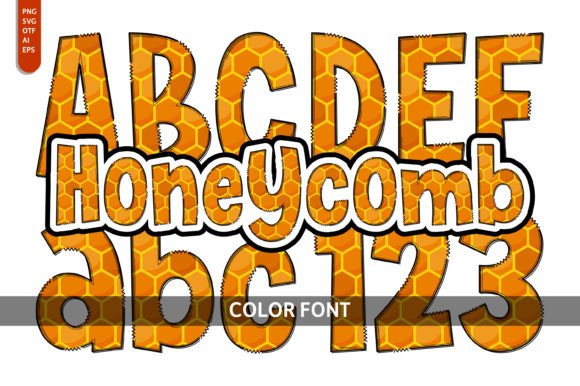
When you first see the Honeycomb typeface, it’s impossible not to notice its distinctive, rounded letterforms. This isn’t your average, run-of-the-mill sans serif font. Honeycomb has a personality all its own—playful, approachable, and inherently friendly. Its characters feel like they’ve been gently inflated or crafted from soft clay, giving text an almost tactile quality. The generous curves and consistent stroke widths create a harmonious rhythm that’s easy on the eyes, making it a fantastic choice for projects where you want to inject warmth and approachability without sacrificing clarity. It’s a creative font that feels modern yet timeless, avoiding trendy gimmicks in favor of pure, cheerful appeal.
Where Honeycomb Truly Shines: Practical Applications
Understanding where a font like Honeycomb excels is key to using it effectively. Its strength lies in its ability to capture attention and evoke positive emotion, making it ideal for specific contexts. Think about children's books, where its whimsical nature can make stories come alive and keep young readers engaged. The packaging design for a family-oriented snack brand or a playful toy could leverage Honeycomb to instantly communicate fun and safety. In the world of invitations and greeting cards, it sets a joyful, celebratory tone perfect for birthdays, baby showers, or casual get-togethers. For posters promoting a community event, a local fair, or a kids' workshop, Honeycomb’s legibility at a distance combined with its friendly vibe makes it a powerful tool. It’s a display font that commands attention through charm rather than aggression.
Beyond the Obvious: Branding and Digital Spaces
While its playful roots are clear, Honeycomb’s applications extend into sophisticated brand identity work, particularly for businesses targeting families, education, or wellness. Imagine a boutique bakery’s logo design—Honeycomb could form the basis of a sweet, memorable mark. A children’s clothing line or a creative learning app could use it for headings and key messaging to build a friendly, trustworthy perception. In web design, it works beautifully for hero text, section headers, and call-to-action buttons where you want to guide the user with a soft, inviting hand. For social media graphics, its distinctive look helps posts stand out in a crowded feed, especially for accounts focused on parenting, crafts, or lifestyle content. It’s a versatile design asset that can bridge the gap between digital and print projects, maintaining its character across mediums.
The Strategic Impact: How Honeycomb Influences Perception
Choosing a typeface is a strategic decision. Honeycomb doesn’t just display words; it communicates an attitude. Its rounded forms can make a brand seem more approachable, inclusive, and less corporate. This can significantly influence audience engagement, as people are naturally drawn to designs that feel friendly and unpretentious. For a small business owner or entrepreneur, using Honeycomb in your marketing materials can help humanize your brand, making it feel more relatable and community-focused. However, this strong personality means it requires careful consideration. It’s not the right fit for a law firm or a luxury watch brand, but it’s perfect for a local daycare center, a craft brewery with a playful image, or a blogger sharing DIY projects. Its impact on visual hierarchy is also notable; because of its unique shape, it naturally draws the eye, making it excellent for headlines and subheadings that need to pop.
Making it Work: Practical Tips for Implementation
Integrating Honeycomb into your projects effectively involves a few practical steps. First, evaluate the project fit. Does the overall tone of your design need warmth and playfulness? If yes, it’s a strong candidate. Next, test font pairings. Honeycomb’s roundness pairs well with cleaner, more neutral fonts. A classic serif font for body text can create a beautiful contrast, balancing the display font’s exuberance with readability. A simple, geometric sans serif font can also work for a more modern, cohesive feel. Always check what styles are included in the font family. Does it have bold or italic versions? These variations are crucial for creating dynamic typography and establishing a clear hierarchy. Readability considerations are paramount, especially for longer text. Honeycomb is best used for headlines, logos, and short bursts of text. For body copy, always opt for a highly legible companion font.
Finally, be mindful of commercial licensing. If you’re using Honeycomb for a client project, a product for sale, or widespread marketing, ensure you have the appropriate premium font license. This is a standard part of professional editorial design and protects both you and the font creator. By thoughtfully applying Honeycomb, you’re not just picking a typeface—you’re selecting a tool to craft a specific feeling, build a recognizable brand identity, and connect with your audience on a more emotional level. It’s a valuable addition to any designer’s or creator’s toolkit for projects that call for a dash of sweetness and a whole lot of character.