Watermelon Fruit: A Burst of Summer for Your Designs
There are moments in a creative project when you hit a wall. You have the concept, the color palette, the imagery, but the typography feels... flat. It lacks personality. It doesn't sing. This is precisely where a typeface like Watermelon Fruit enters the scene, not just as a font, but as a mood. It’s a creative asset designed to inject a specific feeling—joyful, fresh, and unmistakably playful—into your work. Think of it as a design shortcut to summer vibes and whimsical charm.
More Than Just Letters: The Visual Character of Watermelon Fruit
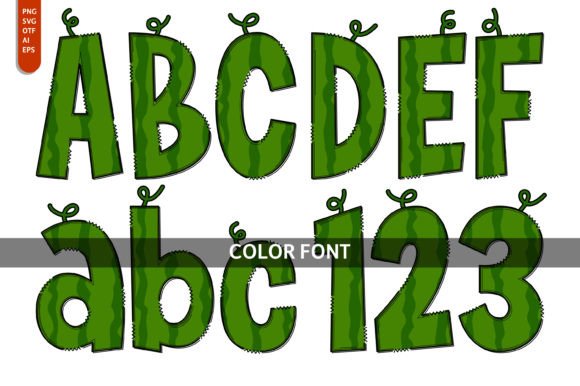
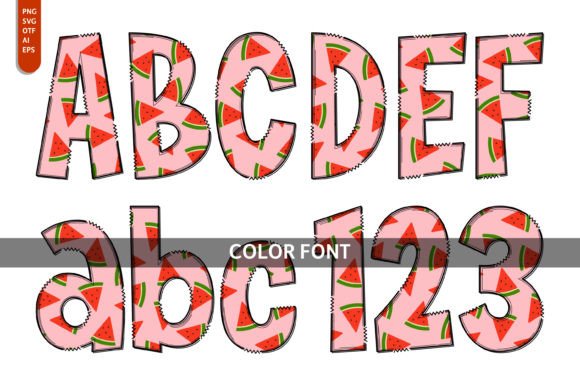
At its core, Watermelon Fruit is a display font. This means its primary strength isn't in setting long paragraphs of body copy, but in creating headlines, logos, and short, impactful text that commands attention. Its visual style is a hybrid of handwritten font warmth and the structured confidence of a modern typography display face. The letterforms have a slight irregularity, mimicking the organic flow of hand-drawn text, which immediately makes a design feel more approachable and human. This isn't a sterile, geometric sans serif; it’s a typeface with a pulse.
The personality is right there in the name. It evokes the vibrant pink-red of a ripe watermelon, the stark contrast of black seeds, and the refreshing green of the rind. When you use this font, you’re not just typing words; you’re applying a layer of that visual metaphor. The thick and thin strokes in the letterforms create a dynamic rhythm, much like the slice of the fruit itself. It’s a premium font that understands its role: to be the life of the party, the bold headline that draws you in, the friendly logo that sticks in your memory.
Where This Font Truly Shines: Practical Applications
Understanding a font's personality is one thing; knowing where to deploy it is where the real value lies for designers, marketers, and business owners. Watermelon Fruit is a specialist. Its strength is in projects where you need to convey energy, fun, freshness, and approachability.
- Branding & Logo Design: For businesses in the food industry (juice bars, bakeries, food trucks), lifestyle brands, children's products, or any service that wants to project a friendly and energetic image, this typeface can become a cornerstone of a brand identity. Imagine it on a logo for a summer camp or a wellness retreat—it sets the tone instantly.
- Marketing & Social Media: In the fast-scroll world of social media, you have milliseconds to grab attention. A social media graphic for a flash sale, a new blog post announcement, or a promotional offer using Watermelon Fruit as the headline font will stand out in a feed full of neutral, minimalist text. It’s perfect for Instagram stories, Pinterest pins, and Facebook ads where visual pop is essential.
- Packaging Design: Think about packaging design for artisanal jams, organic snacks, or cosmetics aimed at a younger demographic. The font’s playful character can communicate the product's ethos before the customer even reads the ingredients. It suggests something handmade, natural, and enjoyable.
- Editorial & Publishing: While not for body text, it can be a fantastic accent font in editorial design. Use it for chapter titles in a lifestyle magazine, pull quotes in a blog, or the title of a cookbook. It breaks up the visual monotony of standard serif or sans-serif layouts.
- Personal & Crafting Projects: The appeal isn't limited to commercial use. For hobbyists and crafters, this font is a gem for creating custom invitations, party banners, t-shirt designs, and personalized gifts. Its commercial license often covers these uses, making it a versatile tool in your creative arsenal.
The Strategic Impact: How Typography Influences Perception
Choosing a font is a strategic decision that directly influences how your audience perceives your message. The right typeface doesn’t just look good; it works. Using Watermelon Fruit strategically can impact several key areas of your design’s effectiveness.
First, it establishes visual hierarchy. Its bold, distinct nature means it naturally sits at the top of the typographic food chain. It tells the viewer, "Start here. This is the main idea." This makes it easier to guide the reader's eye through your layout, whether on a webpage, a flyer, or a product label. Second, it profoundly affects brand perception. Consistently using this font across your touchpoints—website headers, email newsletters, packaging—builds a recognizable personality. Customers will start to associate that specific, joyful look and feel with your brand, boosting recognition and loyalty.
However, this is where a professional’s judgment is crucial. A font that screams "fun" might whisper "unprofessional" if used in the wrong context. A law firm or a financial advisory would likely find Watermelon Fruit inappropriate for their primary identity. Its power lies in its specificity. It enhances audience engagement when it aligns with your brand's voice and your audience's expectations. The goal is to create a feeling of authenticity and connection, not just to use a trendy font.
A Practical Guide to Using Watermelon Fruit Effectively
So, you’re considering adding this to your design assets toolkit. Here’s how to approach it thoughtfully.
- Evaluate Project Fit: Before you even download, ask: Does this project need a dose of whimsy and energy? Is the target audience likely to respond to a playful, creative font? If the answer is yes, proceed.
- Test Font Pairings: No display font is an island. Watermelon Fruit needs a partner for body text. Because of its strong personality, pair it with something clean and neutral. A simple, readable sans serif font (like Montserrat, Lato, or Open Sans) or a classic, understated serif font (like Merriweather or Lora) will provide a perfect, balanced counterpoint. Avoid pairing it with another script font or a handwritten font with similar energy—it will create visual chaos.
- Review Included Styles: A good premium font bundle often includes more than the basic letters. Check for multiple weights (light, regular, bold), stylistic alternates (different versions of certain letters), and multilingual support. These extras give you more flexibility and control, allowing you to fine-tune the look for different applications.
- Prioritize Readability: Always test the font at the size you intend to use it. A beautiful display font can become illegible when shrunk down. Ensure your chosen headline is clear and easy to read, even at a glance. This is non-negotiable for effective web design and print.
- Understand the License: For any commercial project—from a client's logo design to a product you sell on Etsy—you must ensure you have the proper commercial font license. Read the EULA (End-User License Agreement) to understand what is permitted. This protects both you and the font creator.
In the end, Watermelon Fruit is more than just a collection of glyphs. It’s a carefully crafted tool for emotional communication. Used with intention and skill, it can transform a good design into one that feels vibrant, memorable, and full of life. It’s a reminder that sometimes, the most effective design choice is one that simply makes people smile.